Why should you invest?
Home > Why should you invest?
Why Explore the World of Investing?
One of the biggest reasons people look toward the markets is inflation. Since central banks generally aim for an inflation rate of about 2%, the “real value” or purchasing power of cash tends to decrease every year. To help protect the value of their hard earned money, many people look for ways to earn returns that stay ahead of that 2% mark.
Building long-term wealth is often about more than just setting money aside in a traditional savings account. While keeping cash in savings is a great way to stay secure, investing offers the opportunity for your money to grow over time through the power of compounding.
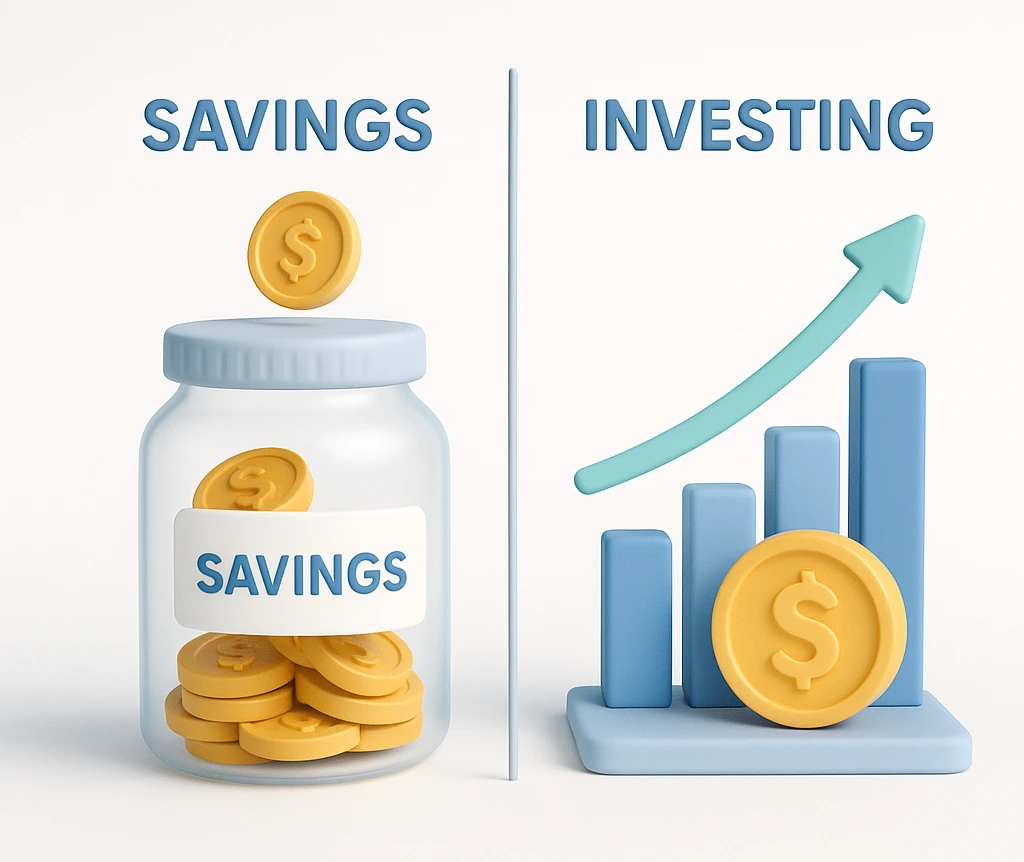
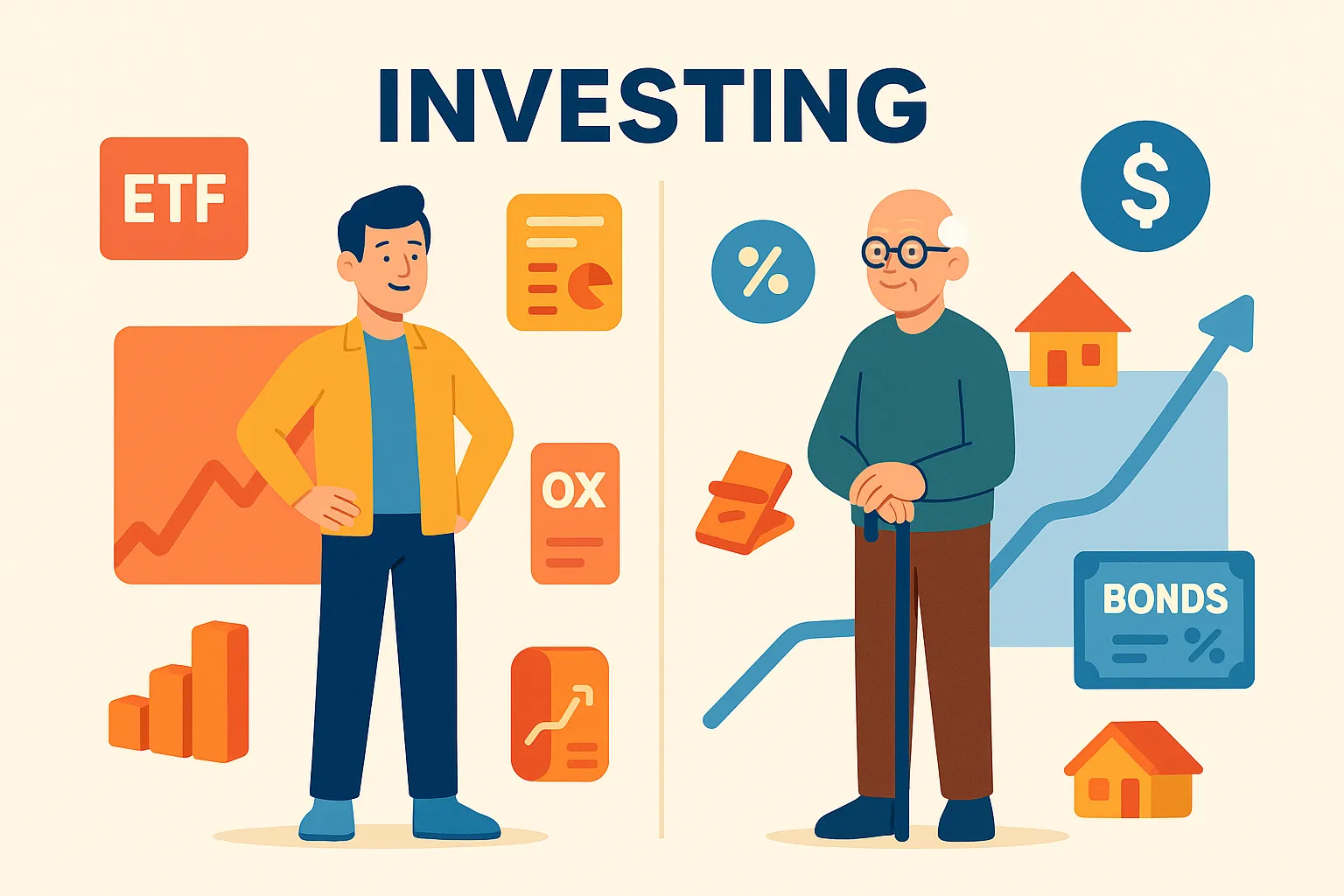
There are many different ways to participate in the financial markets. Historically, the stock market has shown strong growth potential. For instance, over the last 70 years, the S&P 500 has seen average returns of around 10% before adjusting for inflation. It is important to remember that the past doesn’t predict the future, but it does show what is possible. Other options like bonds can also offer a different balance of risk and steady returns.
Beyond stocks and bonds, the modern investor can explore things like Exchange Traded Funds (ETFs), precious metals, or even real estate. Each of these tools can play a part in a person’s financial journey, depending on their goals and how long they plan to stay invested.
Every person’s journey is unique. Often, those who are just starting out and have many years ahead of them might feel more comfortable with market ups and downs because they have more time to see things through. On the other hand, people closer to retirement might prefer strategies that focus on stability and preserving what they have built.
Today, you have the choice of how to manage your journey. You can work with professional wealth managers or take the “do it yourself” route. Thanks to modern digital brokers, it has never been easier to access the markets directly.
If you choose to manage your own investments, the most important step is learning about your own comfort with risk. A common educational concept in risk management is diversification. This simply means not putting all your eggs in one basket. For example, many educational models suggest that keeping any single investment to a small portion of your total portfolio, like 5%, can be a helpful way to manage overall risk.